


A Buyer’s Guide to Choosing the Best Rice Washer with Eco-Friendly Materials in 2025
- Oct 25, 2025
- 6 min read
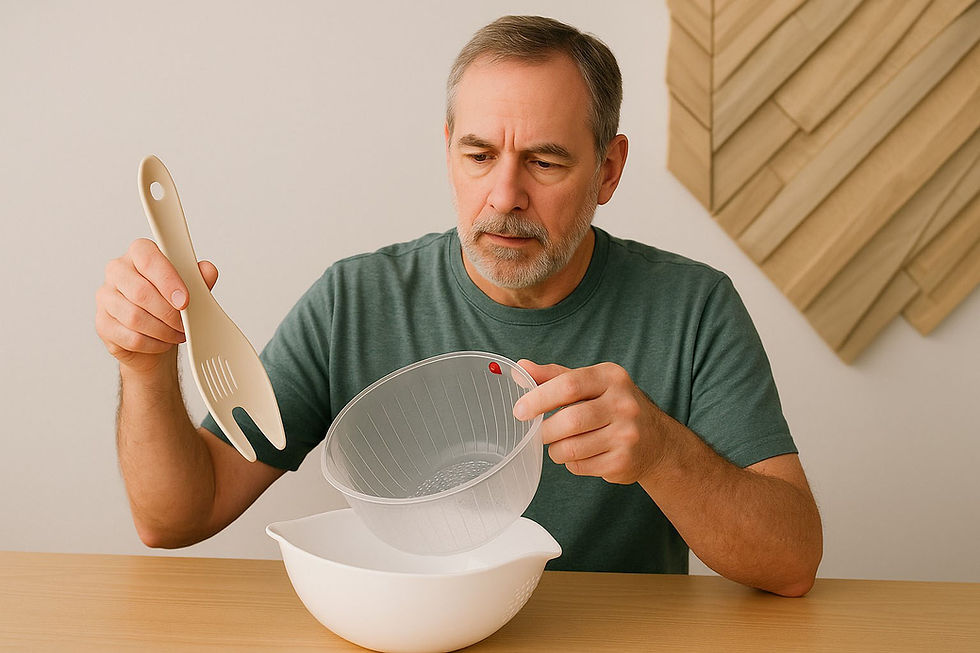
In today’s world of conscious consumption, selecting kitchen essentials that align with both practical needs and environmental values has never been more important. At the heart of this lies the often-overlooked tool: the rice washer. When you choose an eco-friendly rice washer materials-based model, you’re investing not only in cleanliness and convenience but also in sustainability and chemical safety. In this guide, “Expert Reviews Best Rice Cooker” will walk you through everything you need to know about eco-friendly rice washer options, why the materials matter, and how to pick the right model for your home in 2025.
Explore our comprehensive guide to choosing the ideal eco-friendly rice washer for your home.
Why Materials Matter for an Eco-Friendly Rice Washer
When you’re shopping for an eco-friendly rice washer, the term “eco-friendly rice washer materials” isn’t just marketing fluff—it reflects the source, composition, manufacturing, durability, and end-of-life of the product. Here’s why it’s essential:
Environmental impact: Conventional plastic rice washers, made from fossil-derived polymers, contribute to microplastics, long-term landfill presence and higher carbon footprints. Switching to models made from bamboo, recycled stainless steel or bioplastics reduces waste and supports circular design. For example, bamboo is highlighted as a fast-growing, renewable resource in sustainable kitchenware.
Food safety & durability: The right materials remove concerns of BPA, phthalates or toxic finishes. According to kitchen-ware experts, wood & bamboo or stainless steel are among the best non-toxic choices.
Performance & longevity: A washer that warps, cracks, or degrades under water or heat isn’t truly eco-friendly—because replacement means more waste. Durable materials mean fewer replacements and better value.
End-of-life & recyclability: When you can compost a bamboo washer, recycle stainless steel, or trust that a bioplastic meets acknowledged standards, your purchase became part of a longer-term eco cycle.
In our reviews at Expert Reviews Best Rice Cooker we emphasise eco-friendly rice washer materials across the board—making sure you’re comparing beyond brand names, into the substance behind the accessory.
Key Material Categories to Know
Here are the most relevant material types you'll encounter when searching for a truly eco-conscious rice washer:
Bamboo or sustainably harvested wood
Bamboo stands out as a renewable, biodegradable material that is increasingly used for kitchen utensils and accessories.
Pros: Light-weight, naturally antibacterial, warm aesthetic, renewable growth cycle.
Cons: Requires proper care (avoid soaking too long, hand-wash preferred); may cost more than mass-plastic.
Stainless steel / recycled metal alloys
Metals, particularly stainless steel, have high durability and recyclability. They fit the criteria of long-life and low-waste.
Pros: Very durable, usually dishwasher safe, recyclable.
Cons: Can get hot in hand; some models may feel heavier; finish may need more maintenance (spotting, etc).
Certified bioplastics or recycled plastics
While still plastic in nature, if it’s certified (EPR/Europe), post-consumer recycled or bio-derived plastic, this qualifies as a more sustainable choice. For instance, a rice washer were marketed with eco-friendly PP material certified to EU standards.
Pros: Often affordable, lighter weight, familiar form-factor.
Cons: Bioplastics still need proper disposal; durability may vary; “greenwashing” risk if certifications are vague.
Composite natural fibre materials
Some modern kitchen tools use blends of wood fibres, natural binders, or reinforced silicone. While less common specifically for rice washers, the kitchen‐ware research confirms their growing role.
Pros: Offers eco appeal, natural texture.
Cons: Fewer long-term durability data; cleaning behaviour may differ.
How to Evaluate an Eco-Friendly Rice Washer – Checklist
When you’re comparing models—and your keyword search should include terms such as eco-friendly rice washer and eco-friendly rice washer materials—use this checklist to guide your decision.
Material disclosure: Look for full disclosure of materials used (for example: “Bamboo-fibre body with stainless steel rim” or “30% post-consumer recycled PP”).
Certifications or sourcing claims: For example, FSC for bamboo or Post-Consumer Recycled (PCR) content for plastics.
Durability & design: Does the washer resist warping, cracking, rusting? Is the finish food-safe?
Cleaning & maintenance: Is it dishwasher safe? Does the material tolerate hot water, detergents, hours of daily use?
Capacity & fit for your needs: A washer that’s too small or inefficient will lead to waste (you’ll rinse multiple times), reducing eco gain.
End-of-life & disposal: Are the parts recyclable? Compostable? Can the manufacturer assure a circular element?
Price vs life-value: An eco washer may cost more up-front—but if it lasts twice as long as the cheap plastic version, your cost per year is lower and your environmental footprint is smaller.
Top Brands & Models Worth Considering in 2025
While we at Expert Reviews Best Rice Cooker do not endorse specific products here, we highlight material classes and typical features to look for. You can apply these to the following types of models:
Model A: A washing bowl made from 100% sustainably harvested bamboo, minimal metal parts, hand-wash only, elegant design—ideal for households aiming for plastic-free kitchens.
Model B: A stainless steel rice washer with brushed finish, large capacity (for families), fully dishwasher safe—great for durability and high-usage kitchens.
Model C: A hybrid washer made from bioplastic (Certified EPR) with recycled aluminium accents, dishwasher safe, lower weight and affordable—good value for eco approach.
Model D: A premium composite natural fibre washer (wood-fibre + food-safe resin) targeted at design-conscious kitchens wanting eco credentials and stylish look.
As you compare, always review the label for “eco-friendly rice washer materials” and confirm that the brand’s sustainability claims are backed by actual sourcing or certification.
What Changes in 2025 Compared to Previous Years?
In 2025 the market for eco-friendly kitchen tools has matured further, and you’ll see these trends:
Greater transparency: More brands are listing percent of recycled content, lifecycle impact and end-of-life instructions.
Improved durability: Early eco models sometimes sacrificed lifespan for green aesthetics; newer versions match or exceed traditional plastic in durability.
Better price parity: As demand grows, the cost premium for eco materials is shrinking.
Design integration: Eco-washers blend smoothly into modern kitchens (minimalist, neutral tones, natural textures).
Material innovation: Think along the lines of algae-based biopolymers or wood-fibre composites in experimental models. (Though still niche.)
Region-specific availability: For users in Bangladesh (Dhaka) and elsewhere, awareness of international shipping, import duties and local availability matters more.
How to Choose for a Bangladeshi Household
Since you’re in Dhaka, Bangladesh (or catering to a Bangladesh audience), here are tailored tips:
Capacity for your daily rice intake: Bangladesh households often cook large quantities of rice. Choose a washer that handles larger volumes so you’re not rinsing multiple batches—this reduces water waste and labor.
Climate and material resilience: Humid environments can affect bamboo (swelling) or metal (sweating). A good finish and proper storage matter.
Cleaning habits: If you use strong detergents or left-soak your washers, metals or bioplastic may perform better than untreated bamboo.
Import & cost implications: Eco models may cost more locally—factor in shipping, duties, and local availability of replacement parts.
Local disposal and recycling: If you choose bioplastic or recycled PP models, check local recycling facilities or composting options for bamboo so that your “eco-friendly rice washer materials” claim truly closes the loop.
Common Mistakes to Avoid
Confusing “eco-friendly” with “eco-compatible”: A washer might say “eco friendly” but be made of virgin plastic with vague claims. Always check material detail and recyclability.
Prioritising looks over substance: A washer may look premium but degrade quickly under heavy use. Poor durability undermines sustainability.
Ignoring size/capacity: A great eco material doesn’t help if the washer is too small or inefficient for your household size.
Neglecting cleaning/maintenance instructions: For example, bamboo models may require hand-wash and drying—if you forget you might shorten its life.
Underestimating end-of-life: Buying an eco washer but discarding it as regular waste vs composting or recycling nullifies environmental benefit.
Final Thoughts & Recommendations
In closing, when you choose a rice washer built from genuine eco-friendly rice washer materials, you’re making a meaningful contribution—reducing plastic waste, improving food safety, and supporting longevity in your kitchen tools. At “Expert Reviews Best Rice Cooker”, we believe the shift from generic plastic to well-specified eco materials should be mainstream by now, especially in 2025.
Make your decision based on material transparency, capacity fit, cleaning demands, and local conditions (Bangladesh context). Whether you go for sustainably sourced bamboo, rugged stainless steel, certified bioplastic or a hybrid material, the key is to ensure that the keywords eco-friendly rice washer and eco-friendly rice washer materials are not just in the marketing—but in the product specification.
With the right choice, your next rice-rinse ritual becomes not just about perfect grains—but about being a mindful, resource-conscious household. And with guidance from Expert Reviews Best Rice Cooker, you’re well-equipped to choose wisely.
Thank you for reading this comprehensive buyer’s guide. Here’s to water-wise, planet-kind rice washing with the best eco-friendly rice washer materials available!
References:


Comments